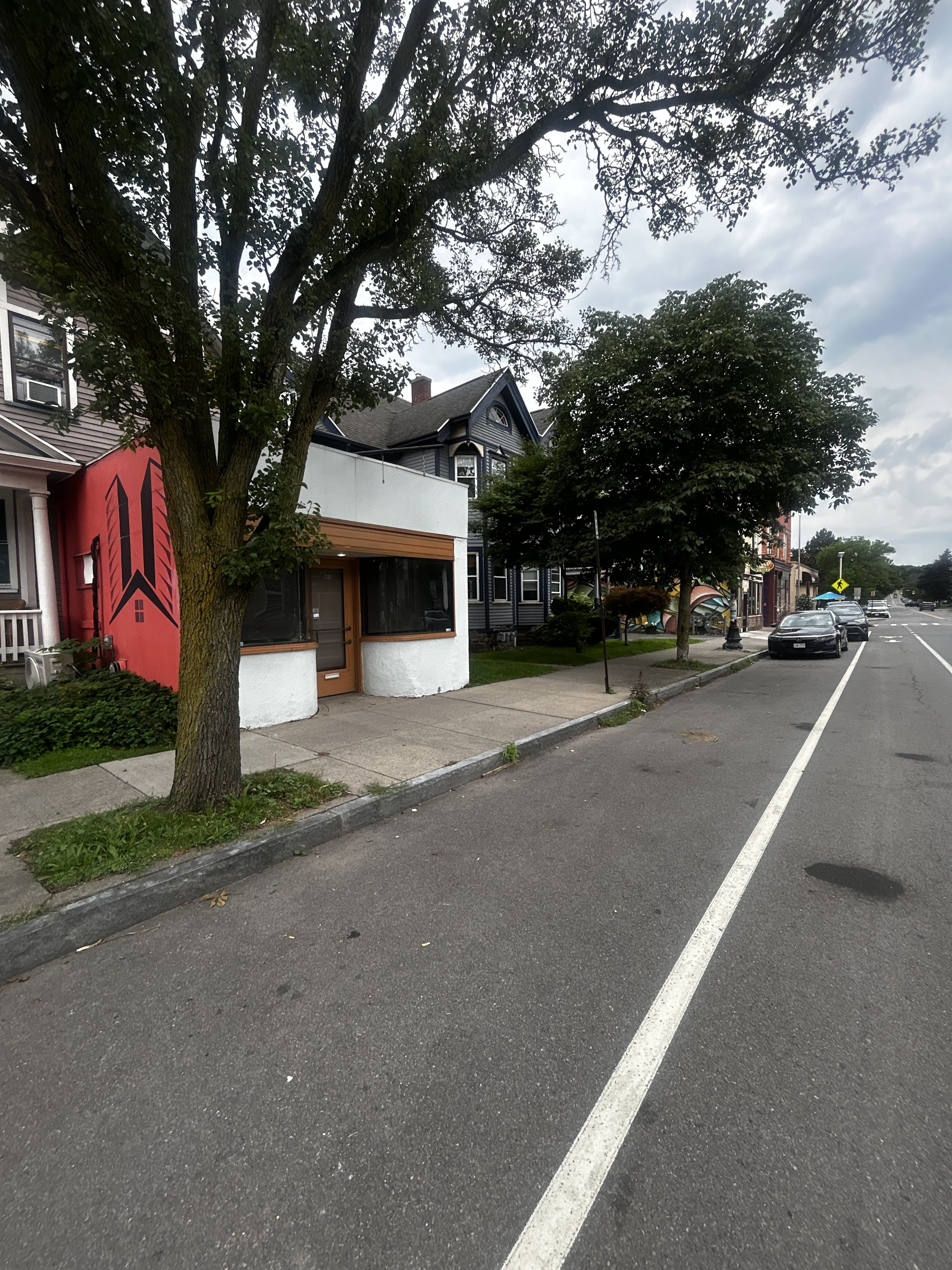
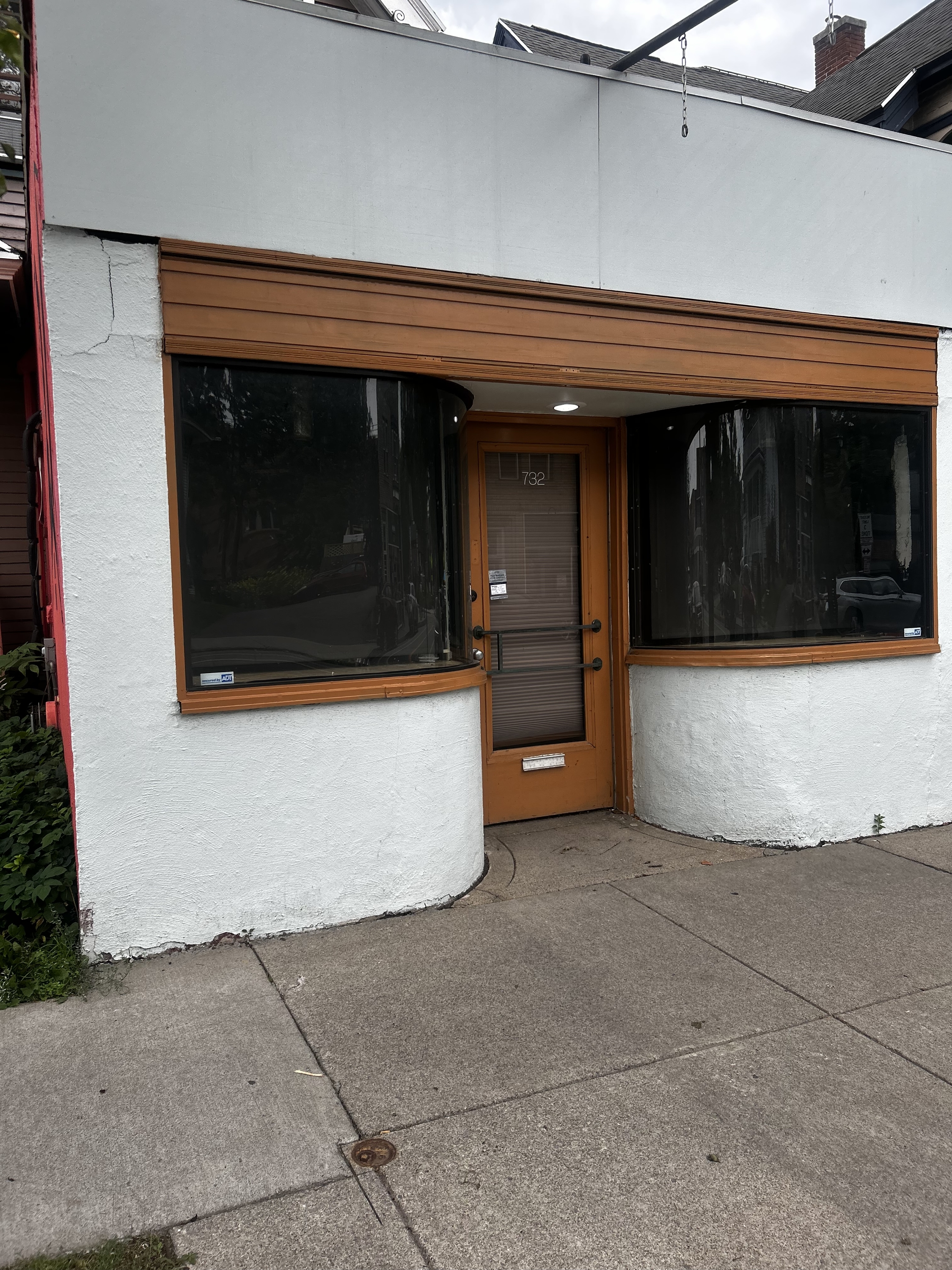
Before the bigger office, there was this
I bought 732 South Avenue in February 2014. The commercial space became the first office for Updegraff Group Realty, and for years we packed six or seven people into it. Looking at it now, it is hard to imagine more than two barber chairs fitting comfortably inside.
That is exactly why the building still means something to me. It is evidence of the unglamorous stage of building a company: too many people, too little room, and a property doing several jobs at once. The office was not impressive. It was ours, it worked, and it helped us get to the next stage.
The building at a glance
The purchase price is supported by both the licensed MLS record and the recorded deed. The remaining description comes from the original MLS record, current operating records, and City property records.
| Fact | What the record supports |
|---|---|
| Acquisition | $125,000 in February 2014 |
| Property | Mixed-use building constructed in 1910; approximately 1,908 square feet |
| Use | Three residential units and one street-facing commercial space |
| Current ownership | Updegraff Holdings LLC |
Mixed-use property creates options—if the uses are real
The apartments and storefront allowed one small building to support both rental operations and an operating business. When the brokerage moved on, the commercial space did not lose its purpose. City records document a permit completed in 2016 to establish a barbershop in the former office.
That flexibility is one reason small mixed-use buildings can be useful to owner-operators. But the storefront, apartments, and any future use must be evaluated separately. A sign above a door or a description in an old listing does not prove that a use is legal. Check the Certificate of Occupancy, permits, zoning, and physical layout before underwriting income.
The return was not only on a spreadsheet
We have not reconstructed the old capital-work ledger, operating statements, or an all-in basis, so this is not a case study about claiming a perfect return. The more durable lesson is that real estate can support a business directly. Instead of treating office rent only as overhead, the company occupied an asset that also contained income-producing residential units and could serve a different commercial tenant later.
That does not make every owner-occupied building a good investment. It means the analysis should include operational usefulness alongside rent, expenses, financing, and resale. A building that solves a real business problem may create value that a simple cap-rate comparison misses.
What I would tell another investor
Do not dismiss a small building because it lacks scale or polish. Ask whether it solves an immediate problem, whether each component has a defensible use, and whether the property can remain useful when your business changes.
Also keep better records than many of us did in the early years. Closing files, scopes of work, invoices, dated photographs, leases, and annual operating statements turn experience into something you can measure and teach from later. I know what 732 meant to the business. Reconstructing every dollar more than a decade later is a different job.